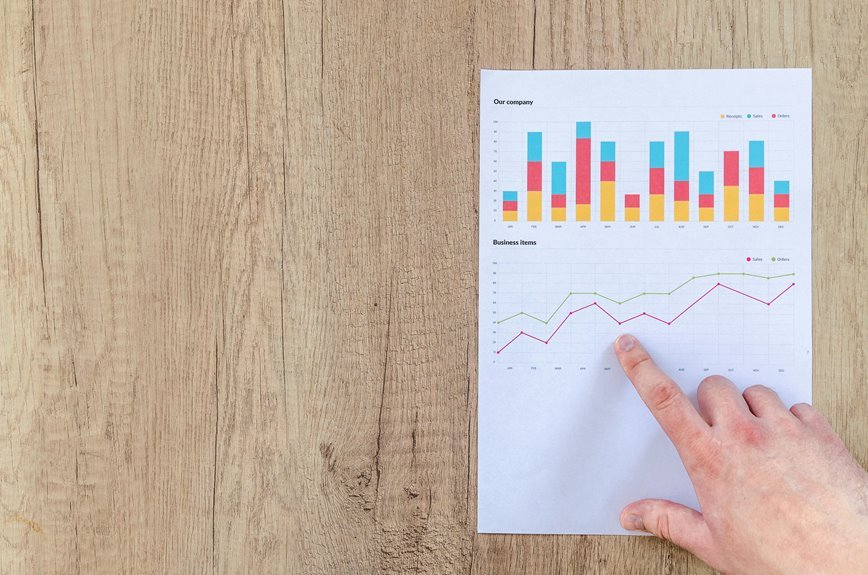
The global business landscape is increasingly shaped by numerical identifiers that represent key trade activities and economic indicators. Figures such as 910213060 and 6957124238 reveal underlying patterns in supply chains and market behavior. Understanding these numbers is crucial for businesses aiming to navigate complex international dynamics. The implications of this data extend beyond mere analysis, raising questions about future trends and the role of technology in shaping economic interactions. What might lie ahead in this evolving scenario?
Decoding the Numbers: What They Represent in Global Trade
In the realm of global trade, numerical data serves as a crucial lens through which economic activities can be analyzed and understood.
Effective data interpretation reveals trade patterns, highlighting shifts in demand, supply chains, and market dynamics.
Analyzing Economic Trends Reflected in the Data
Understanding economic trends requires an examination of the data that underpins global trade. By analyzing key economic indicators, one can identify patterns that signal market fluctuations.
These fluctuations reflect broader economic conditions, influencing trade dynamics and investment decisions. A thorough understanding of these trends enables businesses to adapt strategically, enhancing their potential for growth and sustainability in an ever-changing global landscape.
The Impact of Technology on International Business Dynamics
As technology continues to evolve, its profound impact on international business dynamics becomes increasingly evident.
Digital transformation facilitates enhanced efficiency and transparency in cross-border transactions, empowering businesses to operate globally with greater agility.
As a result, companies can leverage innovative tools to streamline operations, adapt to market changes, and foster collaboration, ultimately reshaping competitive landscapes and promoting economic growth worldwide.
Future Predictions Based on Current Market Indicators
While examining the current market indicators, analysts foresee a complex landscape shaped by both economic recovery and ongoing geopolitical tensions.
Market volatility persists, yet it also unveils potential growth opportunities for agile investors.
As sectors adapt to shifting consumer behaviors and technological advancements, stakeholders must remain vigilant, leveraging insights to navigate risks while capitalizing on emerging trends within this dynamic environment.
Conclusion
In conclusion, the numerical identifiers—each a pulse in the vast heart of global trade—reveal critical insights into market trends and economic health. As businesses harness technology to decode these figures, they lay the foundation for strategic growth and innovation. The interplay of data and decision-making will shape the future landscape of international commerce, highlighting the necessity for adaptability in an ever-evolving marketplace. Understanding these indicators is akin to wielding a compass in uncharted waters.