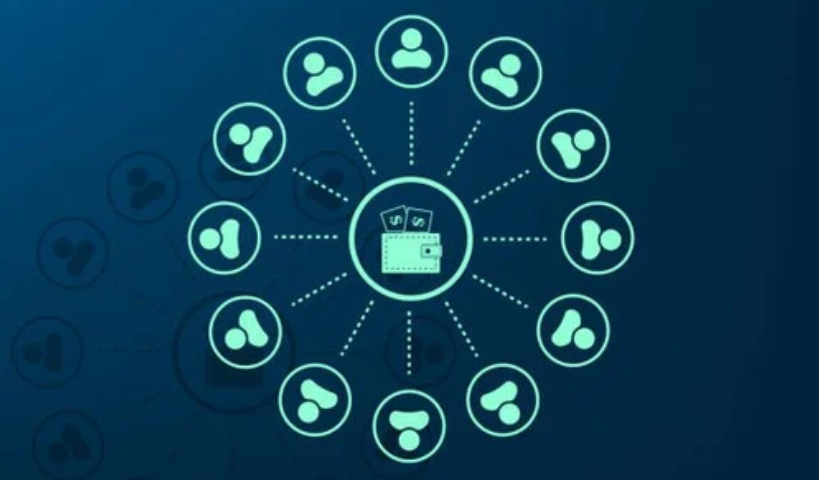
Blockchain technology presents a transformative opportunity for the healthcare sector. Its potential to improve patient data management, enhance drug traceability, and streamline supply chains is significant. By ensuring secure data sharing, blockchain fosters trust and transparency among stakeholders. This innovation raises important questions about interoperability and real-time data exchange. What implications do these advancements hold for patient safety and the overall efficiency of healthcare delivery?
Improving Patient Data Management
Blockchain technology offers a transformative approach to improving patient data management in healthcare.
By enabling secure data sharing, it enhances the integrity and accessibility of medical records. Patients maintain control over their data through explicit consent mechanisms, fostering trust and autonomy.
This decentralized system not only mitigates risks of unauthorized access but also empowers individuals to manage their health information effectively.
See also: Blockchain in Healthcare: Use Cases and Benefits
Enhancing Drug Traceability and Safety
The integration of blockchain technology in healthcare extends beyond patient data management, significantly enhancing drug traceability and safety.
By ensuring drug authenticity, blockchain allows stakeholders to verify the provenance of medications, thereby reducing counterfeit products.
Furthermore, its capability for adverse event tracking enables swift identification of safety issues, fostering a more transparent and reliable pharmaceutical ecosystem that prioritizes patient well-being and informed choice.
Streamlining Medical Supply Chains
A significant transformation is underway in medical supply chains, driven by blockchain technology.
This innovation enhances inventory management by providing real-time data on stock levels and usage, minimizing waste.
Additionally, blockchain facilitates supplier verification, ensuring that healthcare providers source materials from reputable suppliers.
Facilitating Interoperability and Data Sharing
Numerous healthcare organizations face challenges related to interoperability and data sharing, which hinder seamless communication and collaboration across systems.
Blockchain technology offers a solution by enabling secure access to patient data while ensuring patient consent.
This decentralized framework facilitates real-time data exchange among stakeholders, ultimately enhancing care coordination and empowering patients to control their information, promoting a more efficient and transparent healthcare ecosystem.
Conclusion
In conclusion, as blockchain technology continues to unfold its potential in healthcare, it mirrors the transformative impact of the printing press on information dissemination centuries ago. By enhancing patient data management, drug traceability, and supply chain efficiency, blockchain stands poised to revolutionize the healthcare industry. Ultimately, as stakeholders embrace this innovative framework, they may find themselves navigating a new era of unparalleled transparency and trust—one where patient safety and operational efficiency reign supreme.